 The Ancient Biomolecules in Latin America regional meeting aims to bring together researchers studying the past through the analysis of ancient biomolecules, such as DNA and proteins, from Latin American contexts. The rich biodiversity and cultural heritage in our regions make them key for ancient biomolecules studies. Several archaeological sites in our regions (many still unexplored) hold a huge potential, as they can provide records of the population of the Americas, ancient local population histories, early domestication of crops and livestock, cultural practices, and the genetic impact of European colonisation on humans, domestic species, and pathogens. By leading research that is respectful of our heritage and relevant to our social and ecological contexts, Latin American researchers can help address and overcome the disparities in training, infrastructure, and collaborations that currently exists between the Global North and our region.
In the last decade researchers from Latin America have established specialised working groups and laboratories to study endemic organisms and region-specific processes. One of the main goals of this meeting is to strengthen local capacity in ancient biomolecules research, enabling Latin American scientists to meet in a common venue and build a network of international collaboration to contribute to the global trends from our unique regional perspectives - rich biodiversity, complex geographical areas, and archaeological heritage - while independently leading research and decolonising science.
We encourage students and researchers from diverse disciplines to apply, regardless of their background in archaeology, biology, genomics, or other fields. The meeting is designed to increase our networks and establish collaborations for future research.
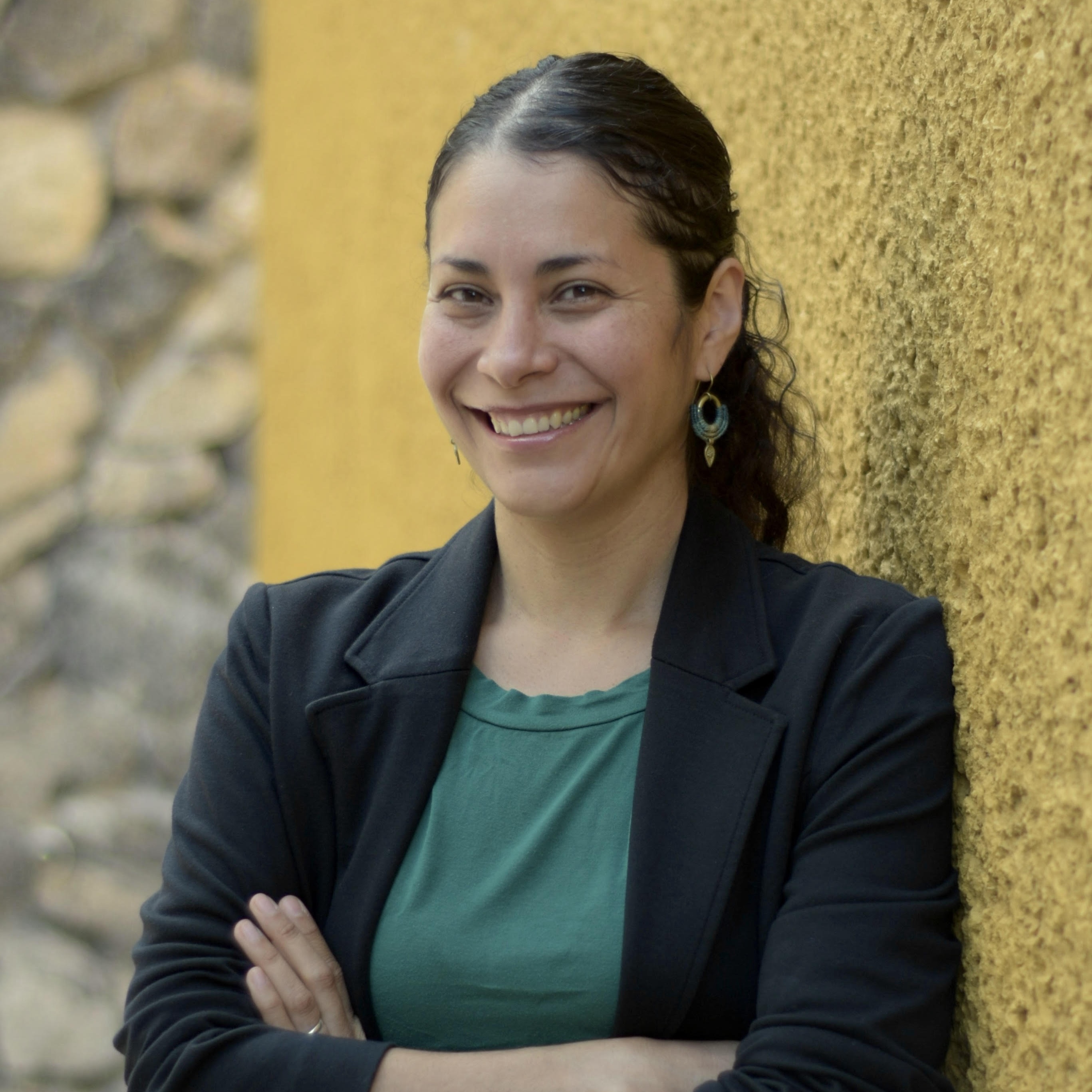
María C. Ávila Arcos
Dr. María C. Ávila Arcos founded one of the first palaeogenomics laboratory facilities in Latin America in 2016, located in Queretaro, Mexico (LIIGH-UNAM), with the focus of researching ancient samples locally and building capacity for further studies. The first years of her laboratory focused on analyzing human pre-Columbian samples; nowadays the palaeogenomics lab she founded has expanded to include the processing of ancient fauna and plants. These clean lab facilities are shared with other research groups in Mexico and have hosted visiting students from across Latin America.
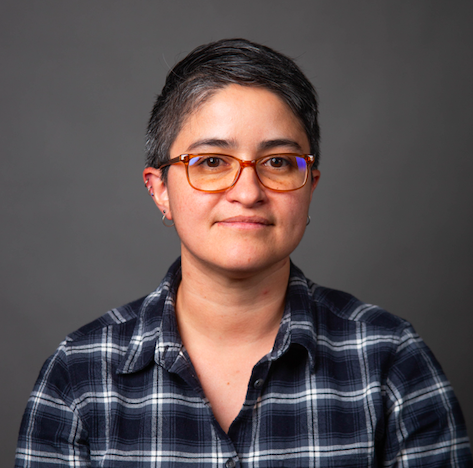
Constanza de la Fuente Castro
Dr. Constanza de la Fuente Castro is a researcher at the Institute of Biomedical Sciences at the University of Chile. Her research focuses on the study of human populations in South America, particularly in Chile, using genomic and ancient DNA tools, with the aim of helping to characterize the region's genetic variation and gain insight into the associated evolutionary, cultural, and environmental processes.
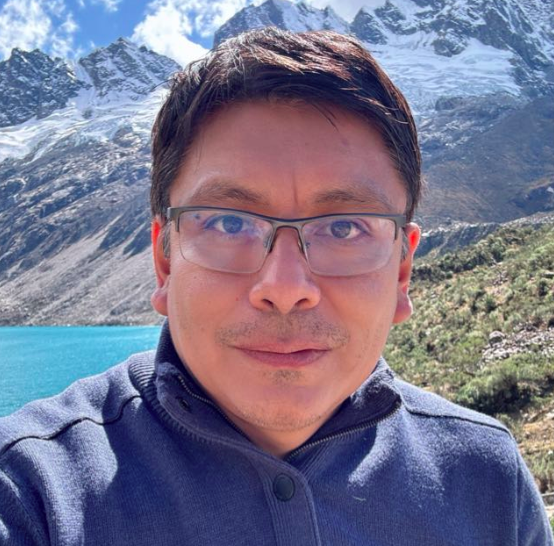
Frank Guzmán
Dr. Frank Guzmán is an Assistant Professor at the Universidad Peruana de Ciencias Aplicadas. He currently conducts a project on the Agricultural legacy of crops, such as sweet potatoes, potatoes and achira, in the oldest city of the Americas, Caral, from a genomic and cultural perspective.
Emily Ruiz Puerta
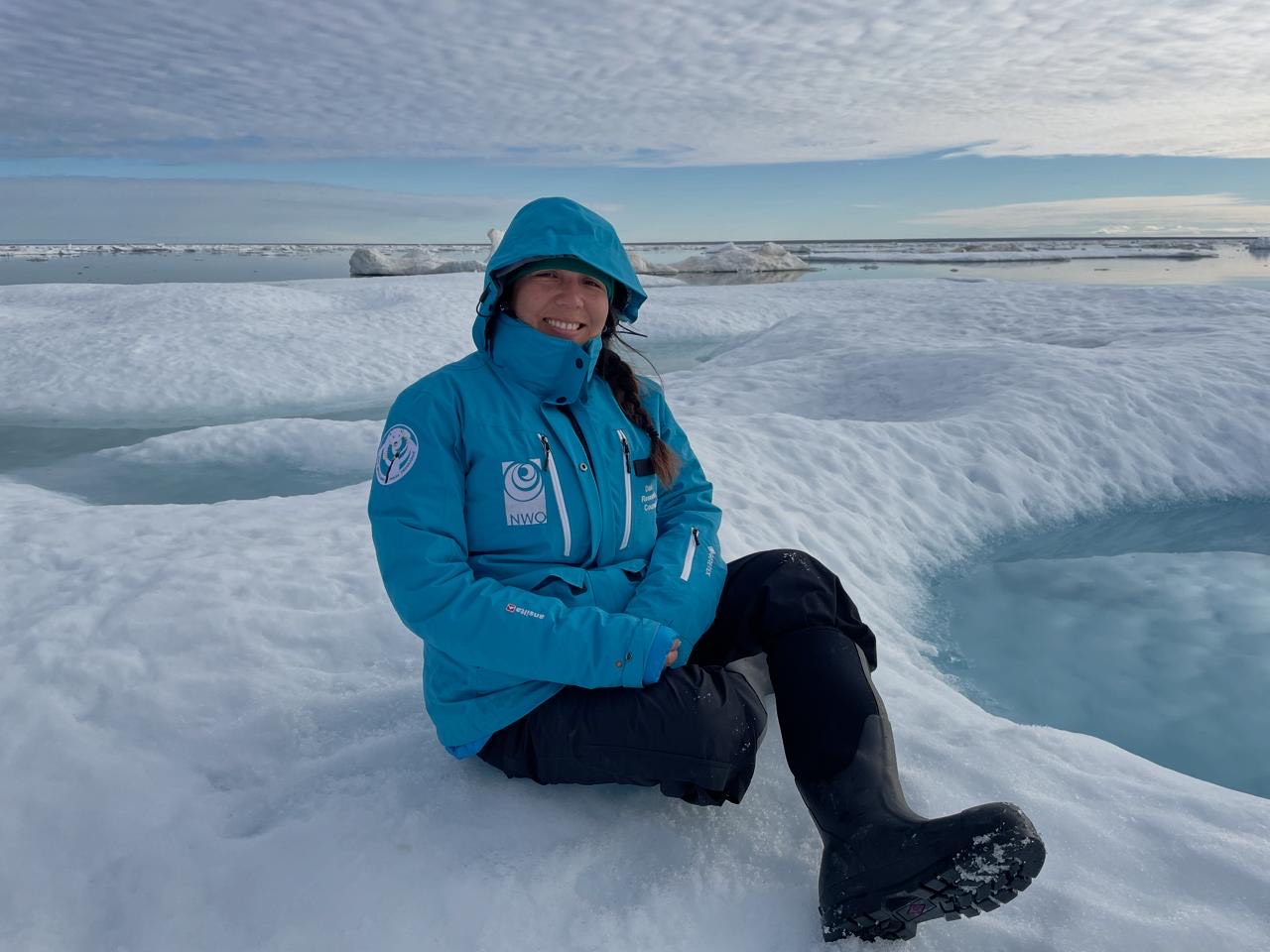
Dr. Emily Ruiz Puerta is a Postdoctoral Researcher at the Arctic Centre at the University of Groningen and a guest Researcher at the Globe Institute from the University of Copenhagen. Her research focuses on archaeology, ancient DNA (aDNA) and isotope analysis.
Quirino Olivera Núñez
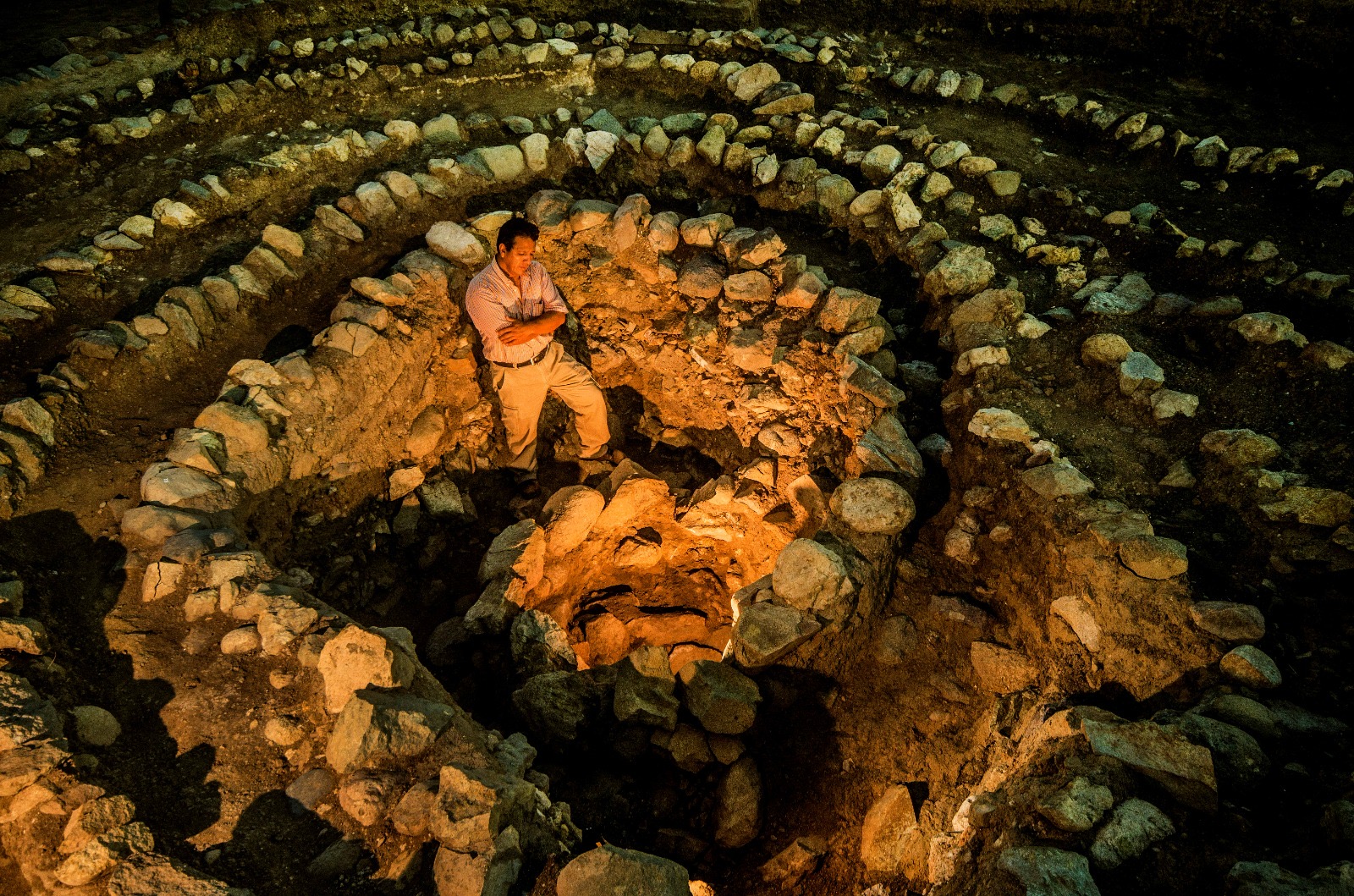
Dr. Quirino Olivera Núñez was born in Santacruz (Cajamarca) and grew up in the province of Bagua, one of the regions most representative of the Peruvian Amazon. Early exposure to cacao groves and Amazonian forests sparked his vocation to investigate the origins of the Americas' earliest civilizations and to demonstrate the Amazon's fundamental role in the development of the continent's complex societies. Among his contributions, his discoveries led to the identification of the Marañón Culture and the unveiling of the Montegrande Archaeological Sanctuary. His research also documented the oldest known evidence of Theobroma cacao symbolism in Amazonian societies. He has been recognized by numerous institutions for his contributions to the research, protection, and dissemination of cultural heritage.